When dealing with a rodent problem, it’s essential to approach the task with a strategy that maximizes effectiveness and minimizes risks. A poorly planned attempt at rodent control can lead to repeated infestations, wasted resources, and unnecessary frustration. Below are the top 10 do’s and don’ts for effective rodent control to help you achieve long-term results.
Do’s for Effective Rodent Control
- Look for signs of rodent activity such as droppings, gnaw marks, and tracks.
- Inspect dark or hidden areas like basements, attics, and crawl spaces where rodents often nest.
- Use steel wool or hardware cloth to block gaps around pipes, vents, and cracks in walls.
- Check door sweeps and weather stripping around doors and windows.
- Avoid leaving pet food out overnight as it attracts rodents.
- Clean up crumbs, spills, and trash promptly.
- Empty garbage bins frequently and use tight-fitting lids.
- Select traps based on the severity of infestation (e. g.
- Place traps along walls or areas where rodents are most active.
Don’ts for Effective Rodent Control
- Overlooking early signs such as droppings or noises in walls can lead to larger infestations over time.
- Poison baits can pose risks to children, pets, and non-target wildlife.
- Dead rodents hidden in walls may create odor problems if poison is used carelessly.
- Piles of wood or debris near your home can serve as nesting sites for rodents.
- Minimize clutter indoors; it provides hiding places for pests.
- Overgrown vegetation close to your house can provide shelter for rodents.
- Trim shrubs and keep grass short near your building foundation.
- Using ineffective methods (such as ultrasonic devices that lack scientific evidence) wastes time and money.
- Improper handling of traps or chemicals could worsen an infestation or pose safety risks.
Comparing Effective Measures
| Strategy | Effective | Ineffective | Risk Level |
| Regular inspections | ✅ Yes | ❌ No | Low |
| Sealing entry points | ✅ Yes | ❌ No | Low |
| Poison baits (without care) | ❌ No | ✅ Yes | High (toxicity) |
| Proper trap placement | ✅ Yes | ❌ No | Low |
| Ignoring sanitation | ❌ No | ✅ Yes | Medium (infestation) |
Summary
Rodents not only damage property but also pose health risks through contamination of food sources or disease transmission. By following these do’s and avoiding common mistakes, you can create an environment that deters infestations while ensuring safe pest management practices within your home or business environment. Always prioritize proactive measures over reactive ones when it comes to controlling rodents effectively.
Effective Florida Pest Control: Steps to Identify and Address Rodent Infestations
Effectively addressing rodent infestations begins with accurate identification. Rodents, such as rats and mice, can cause considerable damage to property and pose health risks. Below are the essential steps to help you identify and address rodent infestations effectively.
sites.google.com/view/pompanobeachpestcontrol/home
Identifying a Rodent Infestation
Recognizing the signs of an infestation early is critical for controlling its spread.
- Droppings: Small, dark droppings (often tapered at one end) are a clear sign of rodent activity.
- Gnaw Marks: Rats and mice chew on various materials, including wood, plastic, or electrical wiring. Fresh gnaw marks tend to be lighter in color.
- Noise: Scratching or scurrying sounds in walls, ceilings, or attics often indicate movement during nighttime hours.
- Nests: Rodents build nests using materials like shredded paper, fabric, or insulation. These nests are commonly found in hidden areas such as cabinets, corners, or basements.
- Tracks: Rodents may leave greasy rub marks along walls or footprints in dusty areas.
- Urine Odor: A strong musky smell could signal a significant infestation.
- Gnawed Food Packaging: If you notice bite marks on food containers or loose food items scattered around storage areas, rodents might be present.
Assessing the Severity of the Problem
- Determine if the infestation is active by inspecting droppings and other signs regularly over several days.
- Inspect your property thoroughly to locate entry points (e. g. , cracks in foundations, gaps under doors) rodents use to access your home.
Steps to Address Rodent Infestations
- Use snap traps for quick results or live traps if relocation is preferred.
- Place traps in high-activity areas like along walls where droppings were noticed.
- Clean up crumbs and spills immediately after meals.
- Avoid leaving pet food out overnight.
- Inspect your property’s exterior for gaps larger than 1/4 inch in diameter; seal them with caulk or steel wool.
- Install weather stripping beneath doors and repair damaged screens on windows.
- Remove clutter from storage spaces such as attics and basements where rodents can build nests unnoticed.
- Utilize Baits CarefullyUse bait stations cautiously if trapping alone isn’t sufficient; ensure they are placed away from children and pets.
| Rodent Control Action | Recommended Frequency |
| Inspect Property | Weekly |
| Set Traps | As Needed |
| Seal New Entry Points | Immediately |
| Sanitize Key Areas | Daily |
Monitor Post-Treatment Progress
After implementing control measures: – Recheck previously infested areas weekly for additional signs of activity. – Confirm that all entry points remain sealed properly over time.
Tips from Exterminators in Florida on Sealing Entry Points to Keep Rodents Out
Rodents often gain access to properties through small gaps and openings, making it critical to seal entry points effectively. This proactive measure not only minimizes the risk of an infestation but also helps maintain a safe and hygienic environment. Below, we outline the steps and methods for identifying and sealing potential entry points.
Steps to Identify Entry Points
- Examine the walls, foundation, roofline, and areas around doors and windows for holes or gaps.
- Pay close attention to places where utility lines, pipes, or cables enter the property.
- Look under sinks where plumbing passes through walls.
- Inspect attics and basements for cracks or openings.
- Examine garages, vents, or crawl spaces as they are often overlooked entry areas.
- Droppings near suspected gaps.
- Gnaw marks on edges of wood, rubber seals, or plastic piping.
- Keep in mind that rodents like mice can squeeze through holes as small as ¼ inch (the size of a pencil) while rats can fit through gaps as small as ½ inch.
Materials Recommended for Sealing Entry Points
- Steel Wool: Effective in filling small gaps; rodents cannot chew through it.
- Caulk or Silicone Sealant: Ideal for closing smaller cracks around windows or plumbing pipes.
- Wire Mesh/Hardware Cloth (with less than ¼ inch spacing): For larger vents or open spaces.
- Concrete Patching Compound: Useful for repairing cracks in foundations.
- Weather Stripping: For creating a tight seal around doors and windows.
Proper Techniques for Sealing
- Clean surfaces around gaps before applying any material; dirt may prevent adhesives from sticking properly.
- When using steel wool, combine it with caulk to hold it securely in place.
- Use expandable foam sparingly alongside other materials for additional coverage but avoid relying on foam alone—it’s easy for rodents to gnaw through.
- Install door sweeps on exterior doors to block any remaining gaps underneath them.
- Cover chimneys with rodent-proof caps made specifically for pest prevention.
| Material | Best Used For | Durability Against Rodents |
| Steel Wool | Small crevices/gaps | High |
| Caulk/Sealant | Cracks near windows/pipes | Medium |
| Wire Mesh | Vents/larger openings | High |
| Concrete Patches | Foundation cracks | Very High |
| Weather Stripping | Door/window perimeters | Medium |
Maintenance Tips After Sealing
- Regularly inspect sealed areas every few months to check for wear-and-tear caused by weather conditions or rodent activity.
- Trim vegetation around your property that could give rodents easier access to vulnerable areas like roofs or eaves.
- Ensure trash bins are secured tightly with lids and placed away from building walls where rodents might hide.
Taking these steps ensures your property remains less accessible to unwanted pests while contributing significantly toward long-term rodent prevention efforts.
Effective Pest Removal Services in Florida: Keeping Your Property Clean to Prevent Rodents
Maintaining a clean and organized property is one of the most effective strategies for preventing rodent infestations. Rodents are opportunistic pests that thrive in environments where food, water, and shelter are readily available. By focusing on cleanliness and routine maintenance, you can make your property less attractive to these unwanted visitors.
Why Cleanliness Matters
Rodents are constantly searching for three basic necessities:
– Food
– Water
– Shelter
A cluttered or poorly maintained property provides ample opportunities for rodents to fulfill these needs. Trash, leftover food, standing water, or even piles of debris can attract pests and encourage them to nest nearby.
Here’s how poor cleanliness habits contribute to rodent problems:
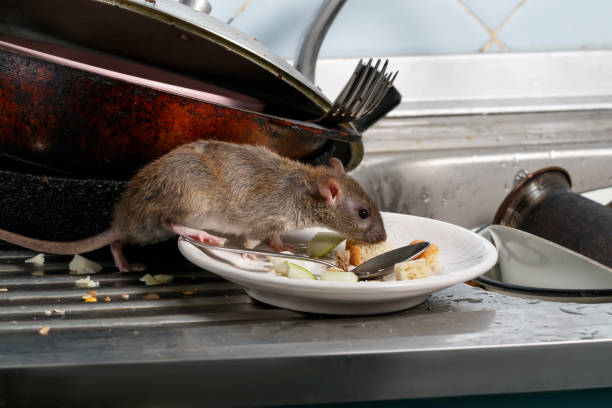
1.Food Sources:Crumbs, improperly stored food, and dirty dishes serve as an inviting source of nutrition for rodents.
2.Sheltering Spots:Clutter such as cardboard boxes or wood piles creates ideal nesting areas where rodents can hide and breed without disturbance.
3.Water Availability:Leaking pipes or standing water give rodents the hydration they need to survive.
Best Practices for Keeping Your Property Clean
Adopting proper cleaning routines is essential in keeping rodents at bay.
- Use sealed trash containers with tight-fitting lids.
- Empty garbage cans regularly to avoid build-up.
- Avoid leaving trash bags outside overnight.
- Keep all food items in sealed containers made of glass or thick plastic.
- Avoid leaving pet food out overnight. Instead, serve only the amount your pet will eat immediately.
- Regularly clean pantry shelves and cabinets where crumbs may accumulate.
- Remove unnecessary clutter from both inside and outside the property.
- Store seasonal decorations, supplies, or extra clothing in durable plastic bins rather than cardboard boxes.
- Trim overgrown vegetation near building exteriors to eliminate potential nesting sites.
- Fix leaking faucets or pipes promptly.
- Use dehumidifiers in damp areas like basements and crawl spaces.
- Ensure gutters are functioning properly so there is no standing water around your home’s foundation.
Frequency Checklist: Daily vs Monthly Tasks
| Task | Frequency |
| Sweep/vacuum floors | Daily |
| Wipe countertops | Daily |
| Take out garbage | Daily |
| Inspect leaks | Weekly |
| Deep-clean storage | Monthly |
Additional Tips for Prevention
Beyond cleanliness alone, here are other helpful measures to control rodent access: – Seal entry points: Caulk gaps around doors/windows; use steel wool for small holes. – Store firewood far from living spaces: At least 20 feet away from buildings is recommended. – Inspect regularly: Look out for droppings near baseboards or grease smears along walls—both indicators of potential activity.
By prioritizing cleanliness alongside other preventative measures like sealing entry points and regular inspections, you can significantly reduce the likelihood of dealing with an infestation on your property.

How Florida Pest Control Service Uses Integrated Pest Management for Rodent Control Success
Integrated Pest Management (IPM) is an environmentally conscious and highly effective approach to controlling pests, including rodents. By combining multiple strategies rather than relying on a single method, IPM helps achieve long-term results while minimizing risks to humans, animals, and the environment. Below, we’ll explore why IPM is critical to successful rodent control and how it can be implemented.
What Is Integrated Pest Management?
IPM focuses on understanding rodents’ behaviors and biology to create a tailored management plan. It prioritizes prevention, monitoring, and control methods that work together cohesively.
- Assessing the problem: Identifying the type of rodent species present and understanding its lifecycle.
- Preventing infestations: Addressing conditions that attract rodents before they become a problem.
- Using targeted controls: Employing physical, biological, or chemical methods only when necessary and in the least harmful way possible.
Benefits of IPM for Rodent Control
- Long-Term Solutions
Rather than offering a quick fix, IPM focuses on sustainable solutions by addressing the root causes of rodent infestations. - Reduced Reliance on Pesticides
Chemical control measures are used sparingly in IPM strategies, reducing potential harm to non-target species and limiting environmental contamination. - Cost-Effectiveness
By preventing infestations before they occur and reducing dependency on costly extermination methods, IPM can save money over time. - Improved Safety
With limited use of toxic substances, this approach poses fewer risks to people, pets, wildlife, and waterways.
Methods Used in Integrated Pest Management
| Step | Description |
| Inspection | Conduct thorough property assessments to locate signs of rodents (droppings, nests). |
| Exclusion | Seal entry points such as cracks in foundations or gaps around pipes. |
| Sanitation | Remove food sources by cleaning up crumbs or securing trash bins properly. |
| Monitoring | Use traps or bait stations to track activity levels without overusing toxic chemicals. |
| Targeted Control | Apply biological controls (e.g., predators) or limited pesticide use only when necessary. |
Key Practices for Effective IPM Implementation
- Regularly inspect your property for new vulnerabilities.
- Educate household members or employees about proper sanitation measures.
- Work with qualified pest control professionals who specialize in IPM practices if needed.
- Avoid reliance solely on reactive measures like poison traps; always aim for prevention first.
Integrated Pest Management is not just a method—it’s a philosophy aimed at maintaining balance within ecosystems while effectively managing pests like rodents.
When to Consider Pest Removal for Persistent Rodent Problems
Managing a rodent problem can be challenging, particularly when it becomes persistent or severe. While some minor infestations can be managed with DIY solutions, there are specific signs that indicate it’s time to bring in professional pest control services. Below is an in-depth guide on when to seek expert intervention.
If you frequently see rodents even after attempting control measures like traps or bait stations, this suggests a larger infestation. Professionals are equipped to locate nests and eliminate the root cause of the issue.
Rodents gnaw constantly to keep their teeth from overgrowing.
– Chewed wires (posing fire risks)
– Damaged wood, insulation, or walls
– Gnawed plastic or pipes
These damages may escalate quickly and require professional assessment.
| Type of Material | Damaged by Rodents | Risks Involved |
| Electrical Wiring | Yes | Fire hazards |
| Insulation | Yes | Loss of energy efficiency |
| Plumbing Pipes | Occasionally | Water leaks or flooding |
Finding droppings consistently—even after cleaning—indicates that rodents are actively inhabiting your space. Additionally, a strong musky odor may signal hidden nests or dead rodents within walls, which only experts can address effectively.
Tips:
– Track droppings in common areas like attics, basements, and kitchens.
– Use gloves and disinfectants when handling waste—never vacuum it directly.
Homemade remedies such as traps and poison may fail against large colonies or evasive species like roof rats or Norway rats. Pest control professionals have access to advanced methods like baiting systems and exclusion techniques tailored to the specific type of rodent.
DIY measures are useful for preventive care but often fall short for deeply rooted infestations.
Rodents carry numerous diseases including hantavirus, leptospirosis, and salmonella. If family members experience unexplained allergies, respiratory issues, or illness after exposure to rodent-contaminated environments, seeking professional help becomes critical.
Rodents tend to build nests in concealed locations such as:
– Inside walls and ceilings
– Under floorboards
– In boxes stored in basements/garages
Professionals use tools like infrared cameras or borescopes to locate these hidden nesting sites effectively.
Why Professionals Are Necessary
Expertise:They understand rodent behavior patterns and know how best to eliminate them based on species type (e. g. , house mice vs roof rats).
Safety:Professionals utilize eco-friendly treatments while ensuring minimal risk from harmful chemicals used during extermination processes.
Prevention: Beyond elimination services include sealing entry points permanently preventing re-infestation cycle altogether bridging gap between short-term remedies&long-term peace-of-mind
Rodent Prevention Tips: Early Warning Signs You Should Never Ignore
Effectively preventing rodent infestations begins with recognizing the early warning signs of their presence. Ignoring these signs can lead to severe infestations, structural damage, and health risks. Below are common indicators that rodents may have entered your property and actionable steps to address them.
Common Early Warning Signs of Rodents
Detecting rodents early requires vigilance.
- Droppings
Small, dark droppings resembling rice grains are a prominent indicator of rodent activity. - Gnaw Marks
- Nesting Materials
Shredded paper, fabric, or insulation material piled together in hidden spaces suggests nesting activity. - Unusual Noises
Scratching or scurrying sounds in walls, ceilings, or floors at night indicate potential rodent movement. - Grease Marks and Runways
Rodents tend to leave greasy smears from their fur along paths they frequently travel, such as walls or floorboards. - Odor of Urine
A strong ammonia-like smell could signal the presence of rodents. This is especially concerning if noticed in enclosed spaces like cabinets or attics.
Proactive Steps to Prevent Infestation
- Check hidden areas like attics, basements, and crawlspaces for droppings or damage.
- Use a flashlight to inspect corners and behind large appliances for nests or debris.
- Close gaps around doors and windows using weather stripping.
- Fill holes larger than a quarter-inch with materials like steel wool and caulk since rodents can squeeze through small openings.
- Avoid leaving pet food out overnight; clean pet feeding areas after meals.
- Repair leaky pipes and dripping faucets.
- Ensure outdoor drains remain free from debris that could create standing water.
- Keep vegetation trimmed back at least three feet from your property’s foundation.
- Remove yard debris such as piles of wood or leaves where rodents may hide.
Why Ignoring Early Signs Poses Risks
Failing to address initial indicators can allow rodents to establish colonies inside your home over time.
| Risk | Description |
| Health Hazards | Rodents spread diseases like hantavirus and salmonella through droppings and urine. |
| Structural Damage | Chewing on electrical wires may increase fire risks; gnawing weakens structures over time. |
| Economic Costs | Delayed action often results in more expensive extermination efforts later. |
Being proactive about identifying and responding to early warning signs is essential for effective rodent prevention strategies. By staying alert and taking preventative measures promptly, you reduce the likelihood of significant damages while protecting both your property and health long-term.
- Identifying When You Need Pest Removal Services in Florida for Effective Rodent Control
- Early Warning Signs of a Rodent Infestation Every Florida Pest Control Expert Wants You to Know
- Effective Florida Pest Control: Signs of Rodent Infestation and How to Eliminate Them
- Tips from a Pest Control Company for Effective Rodent Control
- How Florida Pest Control Can Help with Severe Mice Infestations You Shouldn’t Ignore
- How to Detect Rodents Early and Take Swift Action with Florida Pest Control
- How to Spot Rodent Activity in Your Home with Tips from Florida Pest Control
- Key Indicators You Need Florida Pest Control Service for a Mouse Infestation in Your Home